
Mole Removal in Overland Park, KS

Mole Removal in Overland Park, KS

Mole removal starts with confirming that raised lawn tunnels or soil mounds are caused by moles and identifying active runs. Frontier Trapper provides mole removal in Overland Park, Kansas, for homeowners dealing with recurring yard disturbance. An assessment is useful when new ridges keep appearing or the cause of lawn damage is unclear.

What does mole activity look like?

Mole and lawn activity reference

Raised ridges and fresh mounds

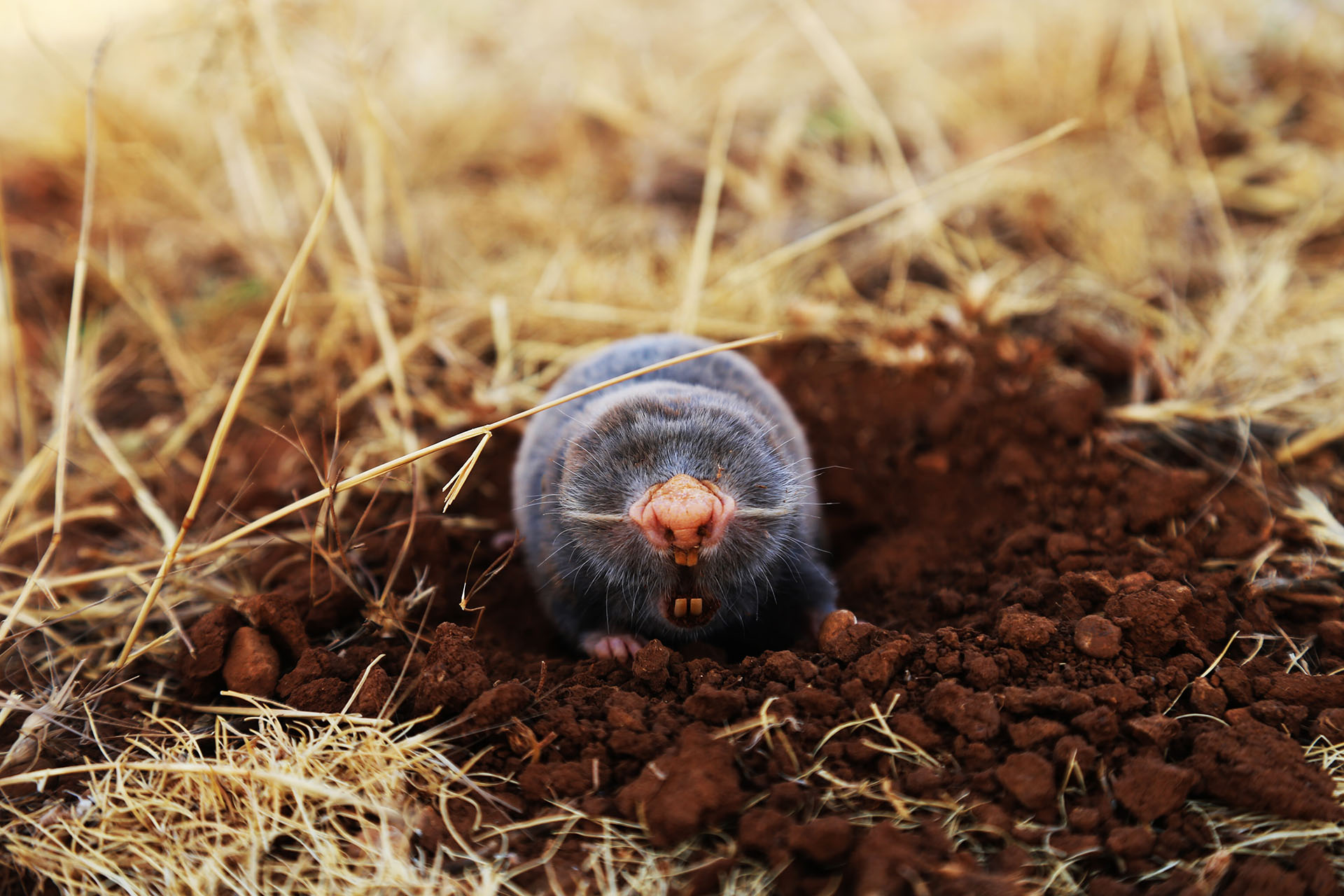
Moles leave raised surface ridges and may push loose soil into mounds as they tunnel. New disturbance is more useful for locating current activity than old, settled ridges. Photograph the affected areas and note when fresh signs appear.
Raised lines crossing grass or planting areas, sometimes with soft ground along the ridge.
Fresh piles of excavated soil that appear alongside other tunneling signs.
New disturbance after an area has settled; the amount of damage alone does not tell you how many moles are present.
Mole burrowing in soil

Lawn disturbance does not explain every brown patch

Tunneling can lift soil around grass roots, but discolored turf also has other causes. Avoid assuming drought stress, disease or every bare patch is mole damage. Look for the physical tunnel pattern before choosing a pest service.

How do mole signs differ from other yard problems?
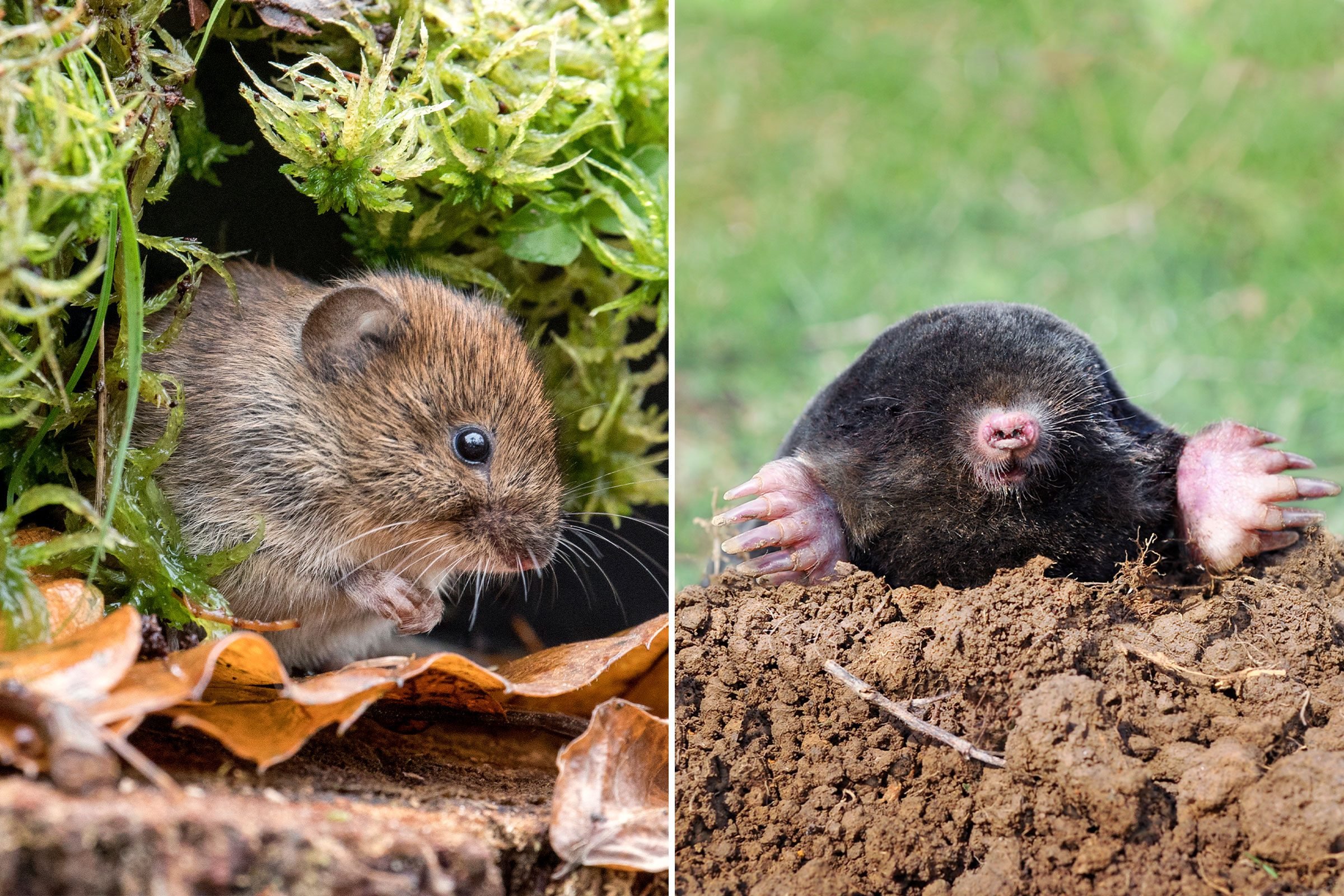
Mole and vole comparison

Moles and voles leave different clues

Mole ridges are raised soil tunnels. Voles often leave surface runways through vegetation and may gnaw plants. Other digging animals can also move soil, so an inspection should consider the combination of signs rather than identifying the pest from a mound alone.

Why does mole activity recur?

Moles search for earthworms and other soil invertebrates. Moist, workable soil can provide feeding areas, and activity can shift within a yard. Treating lawn grubs alone does not remove all mole food sources or establish that mole activity will stop.

Frontier Trapper mole inspection and removal

Mole in a garden setting

Focus on active runs

Frontier Trapper assesses the reported disturbance and looks for active mole runs before selecting trapping locations. Tell the team about irrigation, buried systems and how children or pets use the yard. Ask which areas need to remain undisturbed during service and how trap checks will be handled.

The service discussion should cover the area being addressed, access, the proposed trapping plan and follow-up arrangements. Yard repairs and pest removal are different tasks, so clarify the scope before scheduling. No lawn treatment can guarantee that a mole will never enter from a neighboring area.

What should you monitor after mole service?
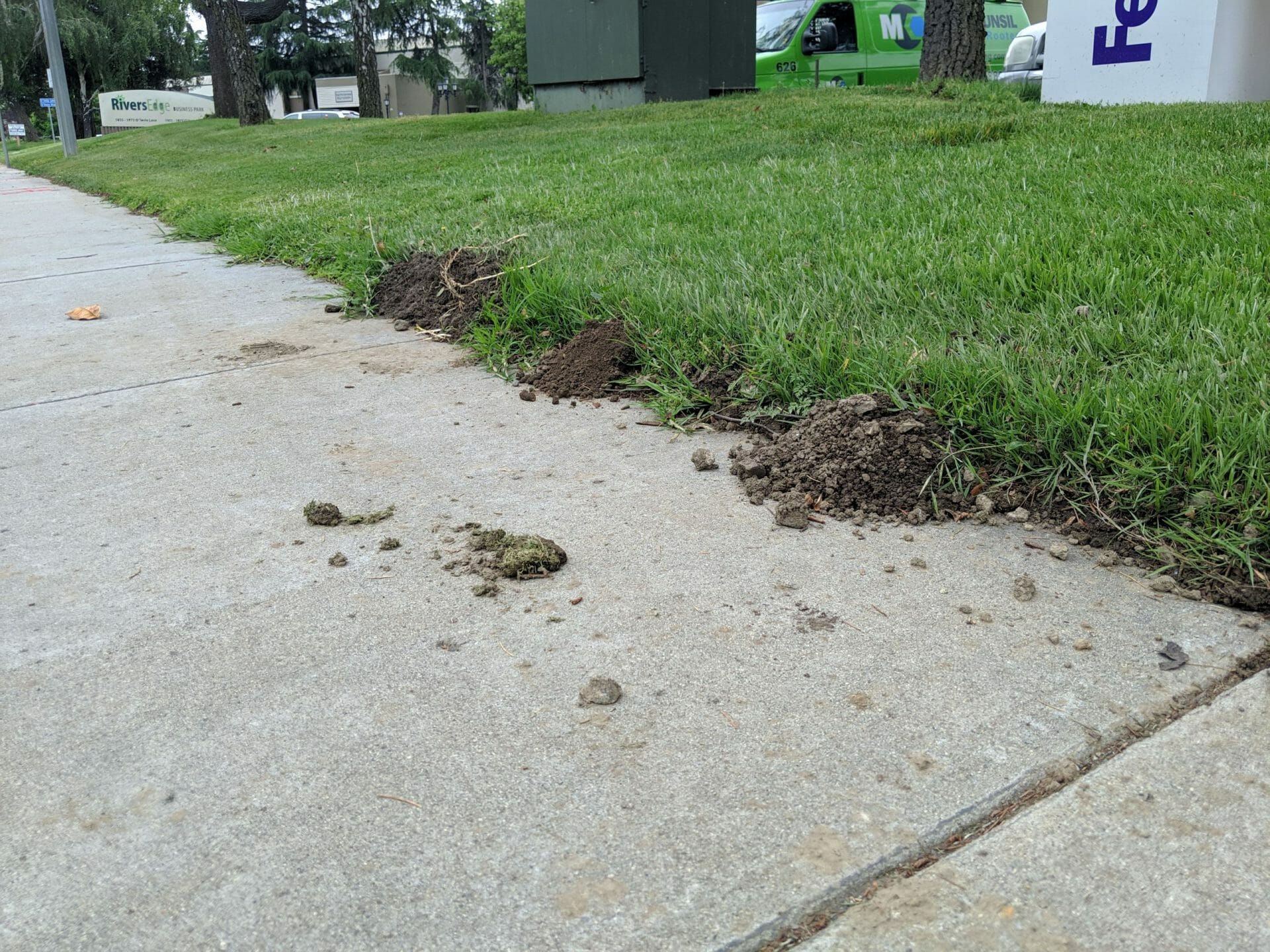
Raised mole tunnels in a lawn

Track new activity before repairing every ridge

Follow the service instructions about when to level disturbed soil or repair turf. Take dated photographs and compare fresh mounds or raised runs with older damage. Contact Frontier Trapper if new disturbance appears rather than moving traps or repeatedly changing the treatment area yourself.
Keep an easy record of fresh disturbance and its location in the yard.
Address irrigation leaks or overwatering as part of normal lawn care.
Do not apply grub treatment solely on the assumption that it will prevent moles.
Discuss continued activity and follow-up before undertaking extensive lawn repairs.

When should you arrange a mole assessment?

Recurring fresh tunnels, spreading disturbance or uncertainty about moles versus voles are reasons to call. For an Overland Park lawn in Johnson County, describe whether the damage affects open turf, beds or property edges. This helps Frontier Trapper discuss the affected area and service options within the Kansas City metro.

Frequently Asked Questions

Find answers to common questions about our wildlife trapping and removal services

Raised soil ridges are a useful mole clue, especially with fresh mounds, but an inspection should rule out other causes. Brown grass alone does not identify a mole problem.
No. One mole can use multiple tunnels and create several disturbed areas. Mound counts alone are not a reliable population estimate.
Not necessarily. Moles eat earthworms and other soil invertebrates as well as grubs. Grub treatment should address an identified lawn problem rather than serve as a promised mole solution.
Yes. A yard can remain suitable habitat and new activity may occur. Monitor for fresh tunnels and discuss any follow-up needs with Frontier Trapper.
Leave visible signs available for assessment unless instructed otherwise. Photographs and notes about fresh activity can help distinguish currently used areas from old damage.

Arrange a Conversation About Your Mole-Damaged Lawn

Call Frontier Trapper at 816-914-8660 to discuss fresh tunnels, mounds and mole removal options for your Overland Park yard.

Call Now 816-914-8660