


Professional Rat Removal & Control Services
Rats are one of the most aggressive and destructive pests that can invade a home or commercial property. Once inside, they multiply quickly, contaminate living spaces, damage wiring and insulation, and pose serious health risks. Without professional rat removal, infestations can spiral out of control in a short amount of time. Our rat control services focus on complete removal, population control, and long-term prevention, ensuring rats are eliminated and kept out permanently.
Why Professional Rat Removal Is Essential
Professional Rat Removal Benefits
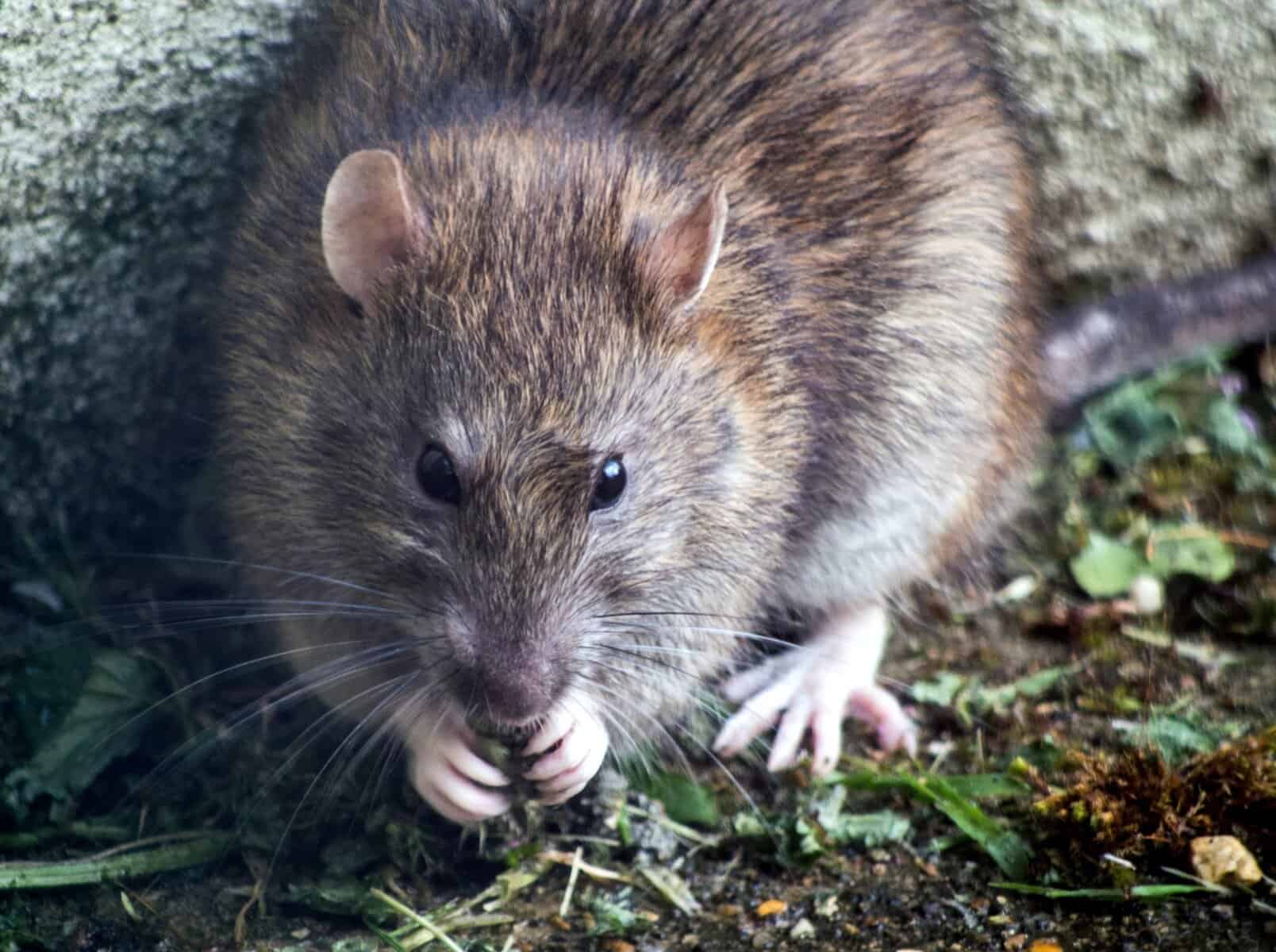
Rats are intelligent, adaptable, and extremely persistent. Store-bought traps and poisons often provide temporary relief but fail to address nesting sites, entry points, and breeding cycles. Professional rat removal helps ensure: Complete elimination of rats and nests, Reduced risk of disease transmission, Protection against structural and electrical damage, Proper sealing of entry points, Long-term rodent prevention strategies. Ignoring rat activity can result in rapid infestation growth and costly damage.
Understanding Rat Infestations in Homes & Buildings

Rat Infestation Behavior
Rats are highly skilled climbers and chewers, capable of entering structures through gaps as small as half an inch. Common entry points include rooflines, vents, sewer connections, garages, and foundation cracks. Once inside, rats can: Chew through electrical wiring, increasing fire risk, Destroy insulation and nesting materials, Contaminate food and surfaces with droppings and urine, Spread bacteria, parasites, and diseases, Reproduce rapidly, expanding infestations quickly. Because rats are nocturnal and hide well, infestations are often more severe than they appear.
Our Rat Removal & Control Process

Professional Rat Removal Process
Property Evaluation & Activity Identification - We assess rat activity patterns, nesting locations, travel paths, and access points throughout the structure to build an effective removal strategy. Targeted Rat Removal & Control - Professional-grade trapping and control methods are used to eliminate active rats safely and efficiently while minimizing risk to occupants. Nest Removal & Sanitation - Rat nests, droppings, and contaminated materials are removed to reduce odors, health risks, and re-infestation potential. Entry Point Sealing & Rodent Proofing - All identified access points are sealed and reinforced, including vents, roof gaps, utility lines, and foundation openings, preventing rats from returning.
Signs You May Need Rat Removal Services
Rat Infestation Warning Signs
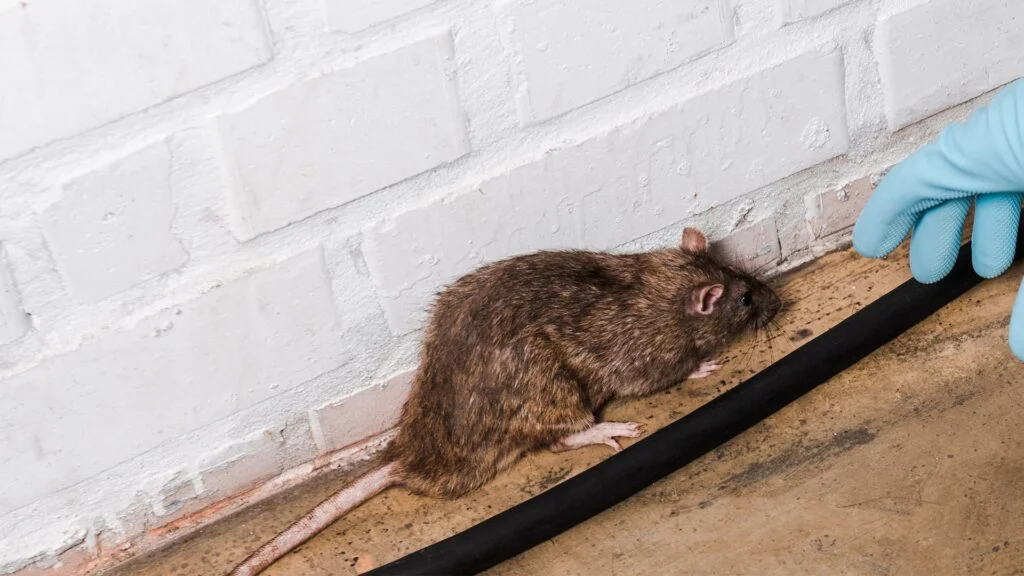
Rat infestations often go unnoticed until damage becomes obvious. Common warning signs include: Scratching or scurrying sounds in walls or ceilings, Droppings in kitchens, garages, or storage areas, Chewed wires, wood, or insulation, Grease marks along walls and baseboards, Strong ammonia-like odors from urine. If any of these signs are present, immediate rat control is strongly recommended.
Why Property Owners Trust Our Rat Control Services
Trusted Rat Control Specialists
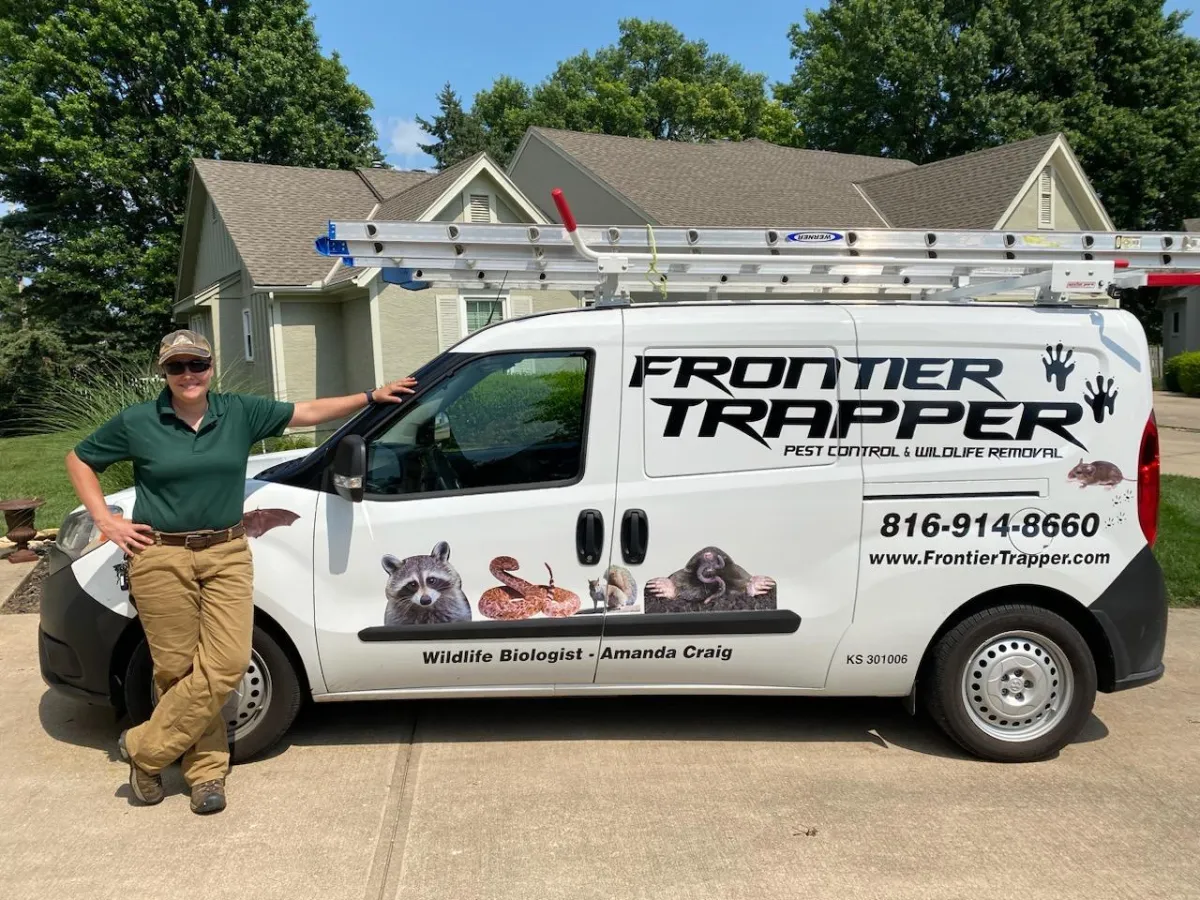
Experienced rodent control specialists, Safe, effective rat extermination methods, Residential and commercial rat solutions, Focus on long-term exclusion and prevention, Attention to sanitation and contamination control. Our goal isn't just to remove rats — it's to stop them from coming back.
Frequently Asked Questions
Find answers to common questions about our wildlife trapping and removal services
Common signs include scratching or scurrying sounds in walls/ceilings, droppings in kitchens or storage areas, chewed wires or wood, grease marks along baseboards, strong ammonia odors, and gnaw marks on food packaging.
Yes, rats pose significant health risks by carrying diseases like Hantavirus, salmonella, and leptospirosis. Their droppings and urine can contaminate food surfaces, and they can bring parasites like fleas and mites into your home.
Professional rat removal involves comprehensive inspection, strategic trapping, nest removal, sanitation, and complete exclusion sealing all entry points. We address the entire infestation, not just visible rats.
Rats reproduce rapidly - a single pair can produce up to 2,000 descendants in one year. This is why immediate professional intervention is crucial to prevent infestations from spiraling out of control.
Rats are larger, more destructive, and require different treatment methods than mice. Rats can chew through more materials, travel further from nests, and often require more extensive exclusion due to their size and strength.
Need Rat Removal Service? Call Us Today!
Call Now 816-914-8660