Wildlife entering your attic can cause serious problems that go far beyond noise and inconvenience. Animals such as raccoons, squirrels, bats, and rodents often damage insulation, contaminate attic spaces with droppings, and create nesting areas that lead to unpleasant odors and potential health risks. Frontier Trapper provides professional Attic Remediation services designed to restore attic spaces that have been damaged by wildlife activity.
Our goal is to clean, repair, and restore your attic to a safe and healthy condition while helping prevent future wildlife problems.
Why Attic Remediation Is Important
Wildlife Damage in Attics
When wildlife occupies attic spaces, the damage can quickly spread throughout the structure. Animals often tear insulation to create nests, leave behind droppings and urine, and chew wiring or wood structures.
Unpleasant odors throughout the home
Reduced energy efficiency
Structural damage in the attic area
Increased risk of bacteria and parasites
Our Attic Remediation Process
1. Attic Inspection
The remediation process begins with a detailed inspection of the attic to assess the extent of wildlife damage and contamination. Our technicians carefully examine insulation, structural areas, vents, and hidden corners to identify signs of animal activity. This may include droppings, nesting materials, chewed wiring, damaged insulation, and entry points used by wildlife. A thorough inspection helps determine how long animals may have been present and the level of cleanup required. By understanding the full scope of the problem, we can develop the most effective remediation plan to restore the attic safely and prevent further issues from developing in the future.
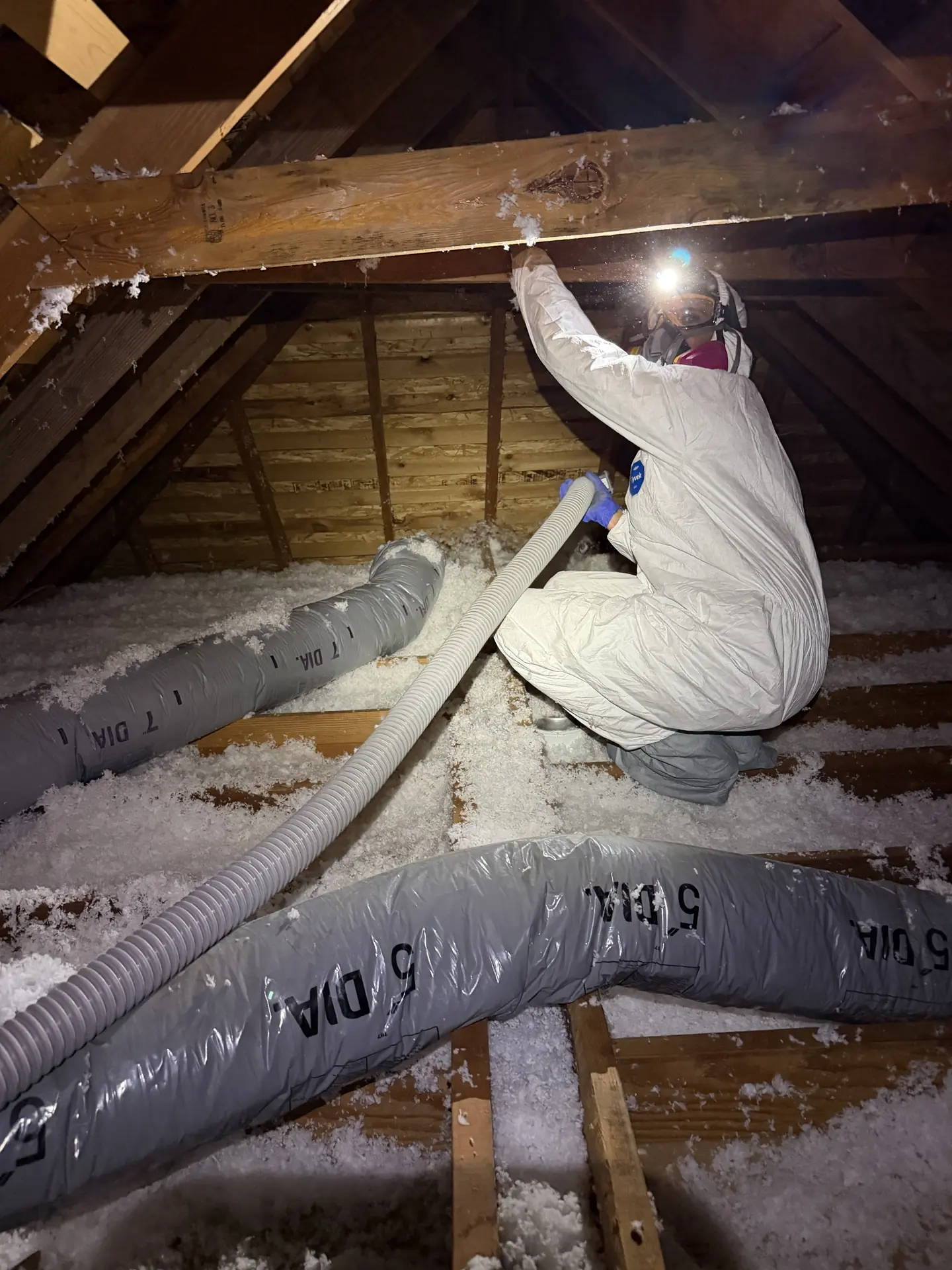
2. Removal of Contaminated Materials
Wildlife living in attics often leaves behind droppings, urine, nesting debris, and heavily damaged insulation. These materials can create strong odors and may carry bacteria or parasites that affect indoor air quality. During the remediation process, our technicians carefully remove contaminated insulation and debris from the attic space. Special attention is given to areas where animals may have nested or concentrated their activity. Proper removal of these materials is essential for eliminating odors and reducing health risks associated with wildlife contamination. Clearing out damaged materials also prepares the attic for thorough cleaning and restoration in the next stages of the remediation process.
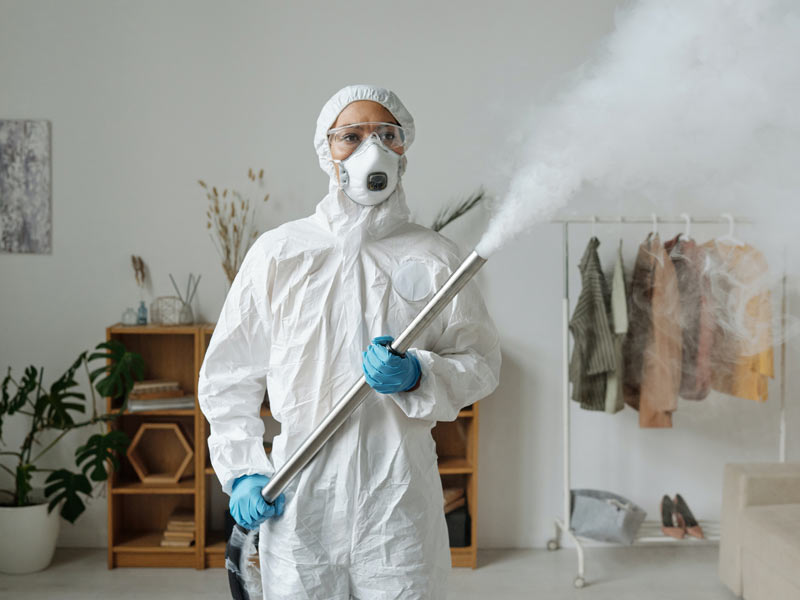
3. Cleaning and Sanitization
After contaminated materials have been removed, the attic space is thoroughly cleaned and sanitized to address bacteria, odors, and residual contamination. Wildlife droppings and nesting areas can leave behind microorganisms that may affect air quality throughout the home. Our technicians use professional cleaning and sanitizing solutions designed to neutralize odors and eliminate harmful contaminants. This step helps restore the attic environment to a cleaner and safer condition. Proper sanitization is important not only for hygiene but also for preventing lingering smells that can spread through ventilation systems or living areas inside the home.
4. Insulation Restoration
Once the attic has been cleaned and sanitized, the final step is restoring the insulation. Wildlife activity often damages insulation by tearing it apart for nesting or contaminating it with droppings and urine. Damaged insulation can significantly reduce a home's energy efficiency and lead to higher heating or cooling costs. Our team evaluates the existing insulation and installs new insulation where necessary to restore proper coverage and performance. Proper insulation helps regulate indoor temperatures, improves energy efficiency, and enhances overall comfort inside the home while ensuring the attic space is fully restored after wildlife damage.
Benefits of Professional Attic Remediation
Professional attic remediation provides far more than a basic cleanup. When wildlife enters an attic, it often leaves behind contaminated insulation, droppings, urine, nesting materials, and structural damage that can affect both the safety and efficiency of your home. Proper remediation ensures that all affected materials are carefully removed and the attic environment is restored to a clean and healthy condition.
One of the primary benefits is the removal of contaminated insulation and debris. Wildlife waste and nesting materials can carry bacteria, parasites, and strong odors that may spread through the ventilation system into living spaces. By removing these materials, attic remediation helps eliminate potential health risks and improves overall indoor air quality.
Another important benefit is the restoration of energy efficiency. Damaged or compressed insulation loses its ability to regulate indoor temperatures effectively. Replacing or restoring insulation helps maintain consistent indoor comfort while reducing heating and cooling costs.
Professional remediation also helps reduce lingering odors and sanitation issues that often remain after wildlife infestations. Thorough cleaning and sanitization eliminate contaminants that may otherwise persist in the attic.
Finally, attic remediation helps protect against future wildlife damage. By addressing contamination, identifying vulnerable areas, and restoring the attic properly, homeowners can prevent ongoing problems and maintain a safe, efficient, and well-protected home environment.
Signs Your Attic May Need Remediation
Warning Signs of Wildlife Damage
Many homeowners are unaware that wildlife has damaged their attic until the problem becomes serious. Some common signs include strong odors coming from the attic or vents, scratching or movement sounds in ceilings or walls, visible insulation damage, droppings or nesting materials in attic spaces, and increased energy bills due to damaged insulation.
Strong odors coming from the attic or vents
Scratching or movement sounds in ceilings or walls
Visible insulation damage
Droppings or nesting materials in attic spaces
Increased energy bills due to damaged insulation