

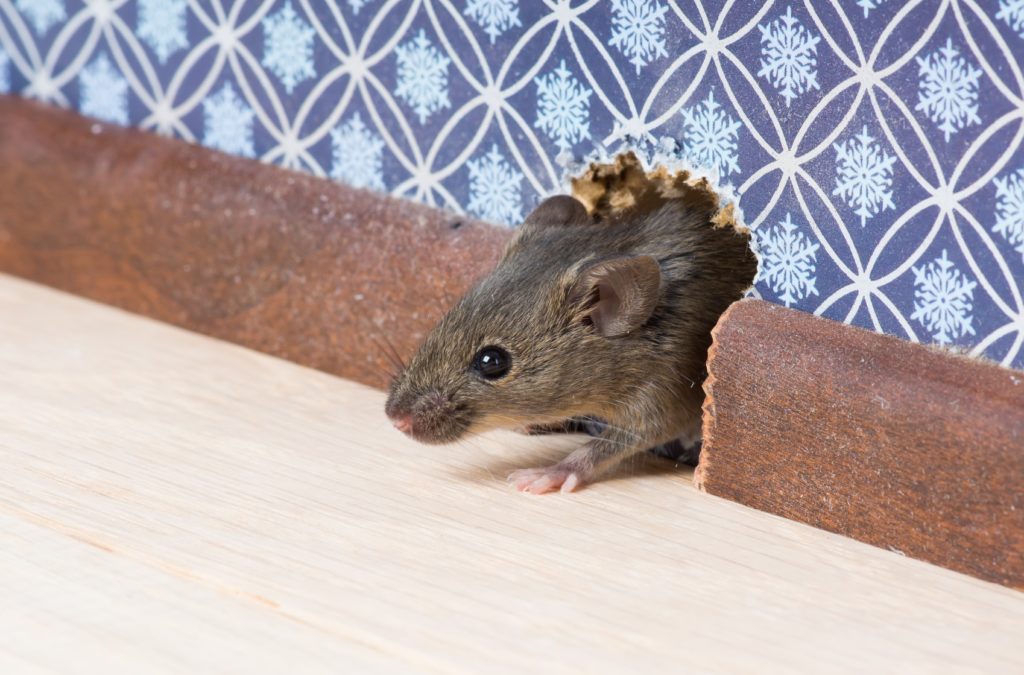
Why Rat Infestation Removal Demands Immediate Action
Rat infestation removal is a critical home maintenance task that requires swift action to protect your property and health. When rats invade your attic, they don't just create noise—they contaminate insulation with urine and droppings, chew through electrical wiring (creating fire hazards), and reproduce rapidly.
Quick Action Steps:
- Inspect for signs like droppings (up to 40 per day per rat), gnaw marks, grease trails, and scratching sounds at night
- Seal all entry points larger than a dime using steel wool, hardware cloth, or metal flashing
- Trap rats using snap traps placed along walls where rats travel
- Remove contaminated insulation that harbors pathogens and pheromone trails
- Prevent future invasions by eliminating food sources, trimming overhanging branches
Health risks from rat infestations include exposure to hantavirus, leptospirosis, salmonellosis, and rat-bite fever—all transmitted through contact with contaminated materials or airborne particles from dried droppings.
Rats can squeeze through openings as small as a dime and need only about 1 ounce of food and water daily to survive. The ammonia smell from their urine and dark pellet-shaped droppings (about 14mm long) are telltale signs of an active infestation.
Norway rats (brown rats) burrow and enter through foundation gaps, while roof rats (black rats) are excellent climbers accessing homes through upper-level openings like vents and overhanging tree branches.
Identifying the Signs of an Attic Invasion
- Rat droppings: Dark, pellet-shaped, up to 14mm long. A single rat can excrete 40 per day
- Ammonia-like smell: Distinct, heavy, musty odor in enclosed spaces
- Grease rub marks: Dark, greasy smears along walls, pipes, or beams from rat fur oils
- Footprints and tail marks: Sprinkle flour in suspect areas and check for tracks
- Night sounds: Scratching, scurrying, or gnawing from attic, walls, or ceiling
- Gnaw marks: Damage to wood, pipes, insulation, and electrical wiring (fire hazard)
- Nesting materials: Shredded paper, fabric, or insulation in secluded areas
- Outdoor burrows: Holes 1–4 inches wide with smooth edges around foundations
Norway Rats vs. Roof Rats in Rat Infestation Removal
Norway rats (brown rats): Larger, stockier, blunt nose, shorter ears. Burrow at ground level. Enter through foundation cracks, gaps around pipes, or by digging under slabs. Infest basements and crawl spaces.
Roof rats (black rats): Smaller, sleeker, pointed nose, large ears, tail longer than body. Excellent climbers. Prefer attics, ceilings, walls, and trees. Enter through roofline gaps, attic vents, overhanging tree branches, or utility openings.
The Step-by-Step Guide to Rat Infestation Removal
Our process combines three core steps:
- Exclusion: Seal openings and reinforce weak points so new rats cannot enter
- Trapping: Reduce and remove the active population with verifiable tools
- Sanitation: Remove attractants by tightening food storage, trash handling, and moisture issues
Effective Trapping Strategies for Rat Infestation Removal
We primarily rely on traditional snap traps:
- Placement: Perpendicular to walls near identified runways
- Bait choice: Peanut butter, bacon, dried fruit, or pet kibble secured to the trigger
- Multiple traps: Active infestations need several traps across locations
- Neophobia: Rats can be cautious of new objects—pre-bait by placing unset traps first
- Safety first: Traps placed where kids and pets cannot access them
We generally discourage glue traps due to animal welfare concerns and avoid rodenticides in living spaces.
Sealing Entry Points for Permanent Rat Infestation Removal
- Cracks and holes in foundations/walls using rodent-resistant repair materials
- Gaps around pipes and wires with escutcheon plates, steel wool, and sealants
- Damaged vents and screens with sturdy metal mesh (hardware cloth)
- Crawl space and attic openings—ensure access panels close tightly
- Door thresholds with durable door sweeps
- Roofline vulnerabilities for roof rats
We avoid chicken wire (fails over time) and instead use galvanized hardware cloth, sheet metal, and proper sealants.
Why Insulation Removal is Critical for a Healthy Home
Rats use insulation as nesting material, tunneling through it and saturating it with urine and droppings:
- Urine saturation and pheromone trails: Rat urine leaves pheromone trails that attract more rats to the "safe" nesting site
- Nesting sites: Damaged insulation becomes ideal for future generations and harbors fleas, ticks, and mites
- Property damage and costs: Rats gnaw constantly—chewing through floor joists, pipes, and electrical wiring (fire hazard)
Contaminated insulation cannot be effectively cleaned or disinfected. Complete removal and replacement is the only way to eliminate health risks, odors, and pheromone attractants.
Health Risks and Pathogen Decontamination
Rats are known carriers of:
- Hantavirus: Airborne particles from dried rat urine, droppings, or saliva—severe symptoms including fever, muscle aches, lung problems
- Leptospirosis (Weil's disease): Contact with water/soil contaminated with rat urine—can cause flu symptoms, liver damage, kidney failure
- Salmonellosis: Common bacterial infection from rat-contaminated food/water
- Rat-bite fever: Bacteria in rat saliva—transmitted through bites or scratches
Our decontamination process:
- Protective gear (respirators, gloves, protective suits)
- Wet cleaning methods (never dry sweep or vacuum)
- HEPA vacuuming for microscopic particles
- Disinfection of all affected surfaces
- Removal of contaminated insulation
Preventing Future Infestations and Property Damage
- Eliminate food sources: Secure garbage with tight lids, store pantry and pet food in sealed containers, pick up fallen fruit and excess bird seed
- Reduce water sources: Fix leaks and eliminate standing water
- Remove shelter: Cut grass, declutter garages and sheds, store firewood off the ground
- Maintain exclusion work: Periodically inspect exterior for new gaps or damaged vents
How small of a hole can a rat fit through?
Rats can squeeze through an opening as small as a dime. Their flexible bodies allow them to compress their skeletons. If a thumb fits through an opening, a rat likely can too.
What are the most effective natural deterrents?
- Peppermint oil: Cotton balls soaked in oil near entry points
- Garlic, rosemary, citronella, sage, lavender: Strong botanical scents
- Predator scents: Cat urine or natural predators
However, these rarely work for established infestations. Rats driven by food, water, and shelter will ignore strong smells.
Why is using poison inside the home discouraged?
- Harm to non-targets: Risk to children, pets, and wildlife (secondary poisoning)
- Unbearable odor: Rats die in inaccessible walls/attics, causing weeks of stench
- Bait resistance: Improper use leads to rat resistance to chemicals
- No verification: No way to confirm how many were eliminated
Conclusion
Rat infestations threaten property integrity and family health. At Frontier Trapper, we specialize in fast, humane wildlife removal and pest control throughout Overland Park, KS, and the entire Kansas City Metro area—same-day service, 100% satisfaction guarantee, permanent solutions.