

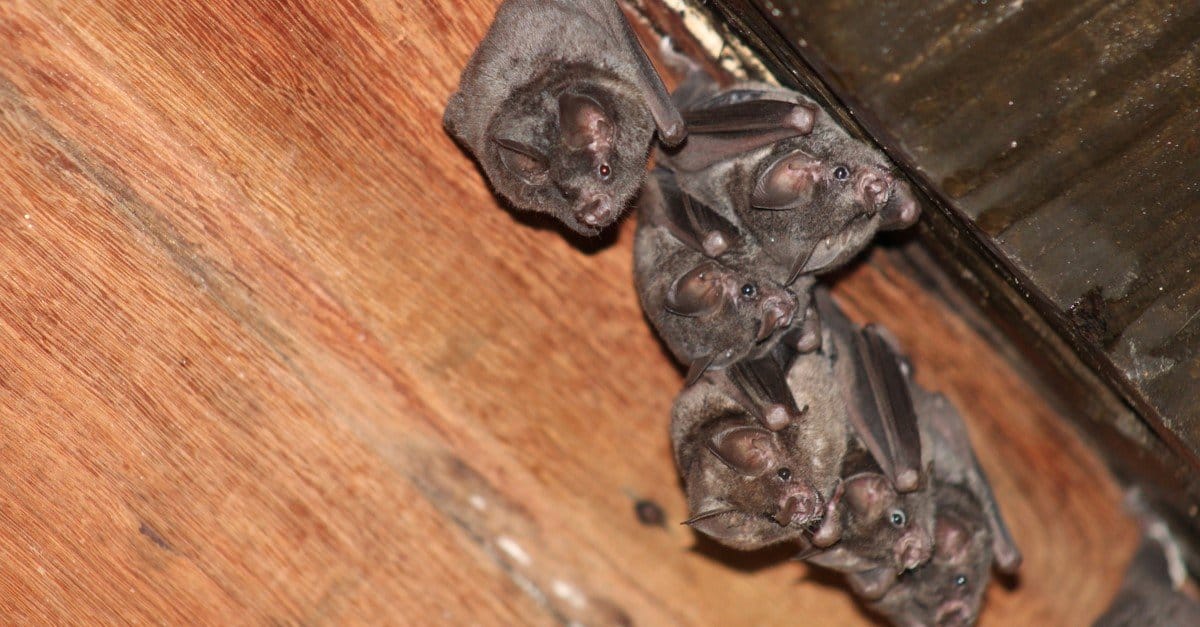
Why Bat Droppings in Your Attic Demand Immediate Attention
Bat droppings in attic spaces pose serious health risks and can cause significant structural damage to your home. If you've found guano in your attic, here's what you need to know right away:
Immediate Actions:
- Don't disturb the droppings – Sweeping or vacuuming releases dangerous fungal spores into the air
- Avoid the area – Keep family members and pets away from contaminated spaces
- Wear protective gear – Use a HEPA-rated mask if you must enter the attic
- Contact professionals – Safe removal requires specialized equipment and expertise
Key Health Risks:
- Histoplasmosis – A serious respiratory disease caused by inhaling fungal spores from dried bat guano
- Rabies exposure – Though rare, bats can carry rabies
- Structural damage – Urine and droppings contain uric acid that rots wood and damages insulation
When you find bat droppings in attic areas, you're looking at small, dark pellets about ¼ to ½ inch long that crumble into dust when touched. They often appear shiny or speckled due to insect wing fragments. Unlike rodent droppings, bat guano clusters in piles beneath roosting spots and accumulates quickly as colonies grow.
The musty, ammonia-like odor is often the first sign homeowners notice. This smell intensifies as guano and urine saturate insulation and building materials. Left untreated, these droppings create breeding grounds for mold and attract secondary pests like bat bugs.
I'm Amanda Janarthanan, a certified Wildlife Biologist and founder of Frontier Trapper in the Kansas City metro area. Over the years, I've helped hundreds of homeowners safely manage bat droppings in attic spaces through humane removal, thorough cleanup, and permanent exclusion solutions.
Identifying Bat Droppings in Attic
Bat guano is typically small and dark, often black or dark brown, and cylindrical in shape. On average, these elongated pellets are about a quarter of an inch to 1–2 cm in length. What truly sets them apart is their texture: they are crumbly and will turn to dust when touched or crushed. This is because bats primarily feed on insects, so their droppings are composed of dried insect remains, including tiny, shiny exoskeletons. This gives bat guano a unique speckled or sparkling appearance, especially when broken apart.
Another key identifier is how the droppings accumulate. Unlike rodent droppings, which are often scattered, bat guano tends to pile up in clusters directly beneath their roosting spots. In an attic, this might mean accumulations beneath beams, in insulation, or in corners where bats frequently rest.
Health Risks and Structural Damage
The most serious health concern is histoplasmosis. This respiratory disease is caused by inhaling microscopic fungal spores from Histoplasma capsulatum, a fungus that thrives in nutrient-rich bat droppings. When dried guano is disturbed, spores become airborne and can cause severe lung infections, especially in individuals with compromised immune systems.
While rare, bats can also carry rabies. Rabid bats exhibit unusual behavior—being active during the day, appearing disoriented, or being overly approachable. If you find a bat in your living space or suspect a bite, seek immediate medical attention.
Beyond direct health threats:
- Unpleasant odor and unhealthy air quality: Accumulated bat guano and urine produce a strong ammonia-like odor that permeates insulation, drywall, and living spaces.
- Damage to insulation: Bat urine contains high concentrations of uric acid, which contaminates insulation and reduces R-value.
- Structural damage: Uric acid and moisture cause corrosion of metal components and breakdown of wood. The sheer weight of accumulated moist guano can even contribute to ceiling cave-ins.
- Attraction of other pests: Bat bugs (close relatives of bed bugs) migrate into living spaces if their primary hosts are removed.
Legal Considerations and Removal Timing
Bat removal is not a simple DIY task. Bats are a vital part of our ecosystem, helping control insect populations in the Kansas City Metro area. Because of their ecological importance and declining populations, many bat species are protected by federal and state laws. This means harming or killing bats is illegal, and their removal must be done humanely and in accordance with specific regulations.
Maternity season (typically mid-May through early August) is particularly important. During this time, female bats form colonies to give birth and raise their pups. Removal during this period can orphan flightless babies, which is inhumane and illegal in many states.
Humane Removal and Exclusion Process
The cornerstone of prevention is exclusion, which involves identifying and sealing all potential entry points. Bats can squeeze through incredibly small openings—as little as 3/8 to 1/2 inch.
Our best practices for preventing bats from returning:
- Thorough inspection of entry points covering rooflines, vents, eaves and fascia, chimneys, utility penetrations, and damaged siding or masonry
- Installation of one-way exclusion devices: Allow any remaining bats to exit but prevent re-entry
- Sealing all gaps and openings with caulk, sealants, and mesh screens once we're certain all bats have exited
- Mesh barriers on vents to allow ventilation while blocking entry
- Roofline repair for damaged shingles or flashing
- Maintaining attic conditions — dry, well-ventilated, free from debris
- Regular inspections during bat activity seasons (spring and fall)
Can I use a regular vacuum to clean bat droppings?
No. The microscopic Histoplasma capsulatum spores that cause histoplasmosis are extremely fine. A standard vacuum's filter is not designed to trap these particles—it will simply disperse dangerous spores into your attic and potentially throughout your entire home. Professional cleanup requires industrial equipment with specialized HEPA filters.
How do I know if the smell in my attic is from bats?
The smell is quite distinct—typically described as a strong, pungent, ammonia-like odor. It comes from bat urine's high uric acid concentration and decaying organic matter within the guano. The odor often intensifies during warmer, humid months.
Is it safe to leave a small amount of guano in the attic?
No. Even small amounts can pose long-term risks. The fungus that causes histoplasmosis can grow and develop spores in accumulated guano. Over time, even small piles can become a source of airborne spores, especially if disturbed.
Conclusion
Finding bat droppings in attic spaces can be alarming, but with the right knowledge and professional assistance, your home can be restored to a clean, safe, and bat-free environment. At Frontier Trapper, we provide fast, humane wildlife removal and pest control solutions throughout Overland Park, KS, and the entire Kansas City Metro area.