

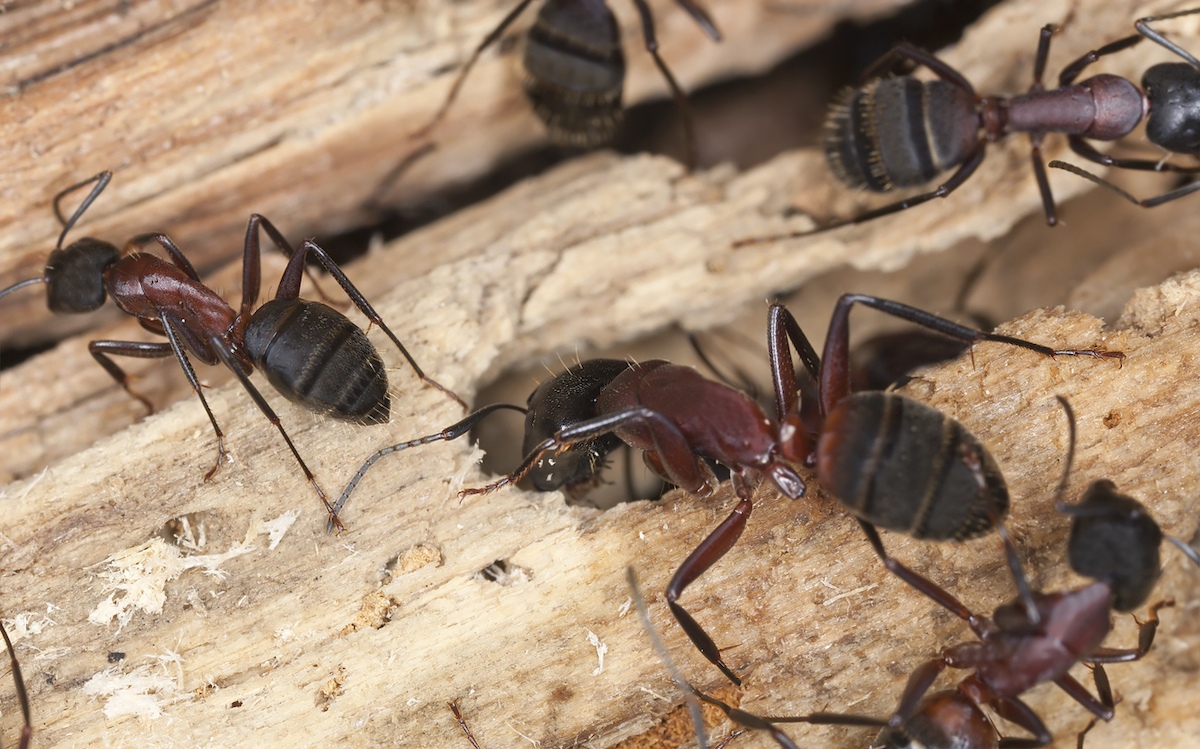
Preventing Carpenter Ants: Tips for Protecting Your Overland Park Home
Carpenter ants can be a homeowner's nightmare, silently tunneling through wooden structures and causing significant damage. While professional help is essential for an active infestation, there's a lot you can do to prevent these destructive pests from making your Overland Park home their next target. Prevention is always easier and less costly than dealing with an established colony.
Why Prevention is Crucial
Carpenter ants are attracted to moisture and wood, especially damp or decaying wood. By eliminating these attractants and sealing off entry points, you can make your home less appealing to them. Consistent preventative measures can protect your property from structural harm and give you peace of mind.
Effective Prevention Strategies
1. Control Moisture Around Your Home
Moisture is a primary draw for carpenter ants. They seek out damp wood to establish their nests.
- Fix Leaks Promptly: Repair any leaky pipes, faucets, or roofs immediately. Even small drips can create the moist conditions carpenter ants love.
- Improve Drainage: Ensure your gutters and downspouts are clean and direct water away from your home's foundation. Poor drainage can lead to damp soil and wood.
- Ventilate Crawl Spaces and Attics: Proper ventilation reduces humidity, making these areas less attractive to ants.
- Check for Condensation: Address any condensation issues around windows, pipes, or in basements.
2. Eliminate Wood-to-Ground Contact
Direct contact between wood and soil provides an easy bridge for carpenter ants to enter your home.
- Maintain a Gap: Ensure that no wooden parts of your home (siding, decks, door frames) touch the soil. Create a barrier of at least 6 inches between wood and ground.
- Remove Wood Debris: Clear away old stumps, fallen logs, and woodpiles from around your foundation. If you must store firewood, keep it elevated and away from your house.
3. Seal Entry Points
Carpenter ants can enter your home through tiny cracks and openings.
- Caulk Cracks and Gaps: Seal all cracks in your foundation, around windows and door frames, and where utility lines enter your home.
- Repair Damaged Screens: Ensure all window and door screens are in good condition to prevent ants from crawling in.
- Check Doors and Windows: Make sure doors and windows fit snugly and have proper weatherstripping. Install door sweeps if there are gaps at the bottom of exterior doors.
4. Trim Vegetation
Trees and shrubs touching your home can provide a highway for carpenter ants.
- Trim Branches: Keep tree branches and shrubs trimmed back so they don't touch your roof or siding.
- Clear Overhanging Vegetation: Remove any vegetation that creates shaded, damp areas directly against your home's exterior.
5. Regular Inspections
Periodically inspect your home, especially areas prone to moisture, for any signs of carpenter ant activity.
- Look for Frass: Check for sawdust-like material near wooden structures.
- Listen for Sounds: In quiet moments, listen for faint rustling in walls.
- Inspect Wood: Look for small holes or damaged wood, particularly in damp areas.
By following these preventative measures, you can significantly reduce the risk of a carpenter ant infestation and protect your Overland Park home from potential damage. If you do suspect an infestation, it's always best to contact a professional pest control service for a thorough inspection and effective treatment.