
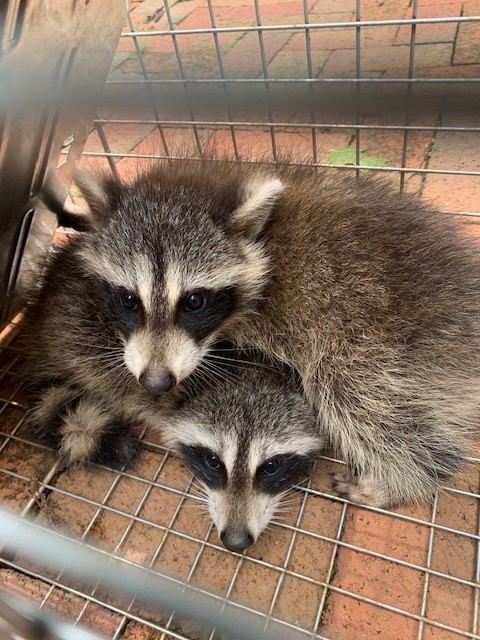
If a raccoon may be in your chimney, leave the fireplace unused and arrange a wildlife assessment. Do not light a fire or use smoke to force it out. The plan must account for any young before the chimney is closed with a cap. After the animals are gone, have the flue assessed before returning it to use.
What may suggest an occupied chimney
Scratching or vocal sounds near the fireplace, repeated roof-level entry or an animal visible at the opening can justify investigation. A noise does not confirm a raccoon; other animals and building conditions can create a similar report. Record where the activity is heard without opening the fireplace or reaching into the flue.
| Observation | Useful action |
|---|---|
| Sounds in the flue | Keep the fireplace unused and report the pattern. |
| Animal entering the chimney top | Document safely from the ground; do not climb to look down. |
| Possible young or nesting sounds | Tell the wildlife provider before any closure is planned. |
| Missing or damaged cap | Arrange occupancy assessment before installation or repair. |
| Animal enters a living room | Keep people and pets away and follow the urgent-response guide. |
Keep wildlife response separate from lighting a fire
Humane World for Animals warns against smoke or fire in an occupied chimney. Young may be unable to leave. Do not try to flush an animal out with water or reach upward with tools. If you can keep the room separated without approaching the animal, do so and wait for advice about access.
Ask for a plan that accounts for the whole family
A raccoon in a chimney needs a plan that accounts for possible young before the opening is closed. Frontier Trapper can assess the wildlife problem and coordinate the next steps.
Explore Raccoon Removal Services- Identify the animal and assess whether the chimney is being used as a den.
- Determine whether young are present and which response fits the occupied space.
- Verify that the animals have left before closing the opening.
- Arrange removal of remaining material and assessment of the flue by an appropriate chimney professional.
- Install or repair a suitable cap and confirm the fireplace is ready for use.
Do not assume one adult leaving the roof means the chimney is empty. Ask how the provider checks the occupied space and coordinates with the chimney professional. Wildlife removal and evaluation of the fireplace or flue are distinct responsibilities; confirm who is handling each.
Prevent another entry after vacancy is verified
Cap condition and fit
A missing or damaged cap deserves attention, but installing one over an occupied chimney can create a new problem. Ask the chimney professional to assess the cap’s condition and suitability for that flue, including venting requirements. Do not fit improvised mesh across an opening without checking the appliance and chimney needs.
Inspect related access points
A chimney problem also provides a reason to review visible roof openings and nearby damaged trim. Limit homeowner observations to safe ground-level views. Ask which findings need roofing, chimney or wildlife-exclusion work so each part is assigned clearly.
Who to contact for an Overland Park home
Discuss the animal with Frontier Trapper through the raccoon removal service, and ask about relevant exclusion repairs. If signs are also coming from the attic, see the attic raccoon guide. Suspected waste needs the separate assessment in raccoon droppings and cleanup. For an animal in a room or possible human contact, start with urgent raccoon response.
Coordinate the wildlife and chimney inspections
The wildlife provider and chimney professional answer different questions. Wildlife work establishes occupancy and addresses the animals; chimney work evaluates the flue, cap and readiness for safe use. Ask how the findings will be shared and which inspection must happen first. Keep the fireplace unused throughout the process until the appropriate professional confirms otherwise. Clear responsibility is especially important when nesting material, damage or an unsuitable cap is found.
Monitor the chimney after the cap is installed
A suitable cap closes the wildlife route while preserving the chimney’s required function, but it should still be included in routine exterior and chimney maintenance. From the ground, report visible displacement or renewed animal activity rather than climbing to inspect it yourself. If sounds return, stop using the fireplace and have the situation reassessed. Do not assume the original species or reopen the cap without first checking whether the flue is occupied.