
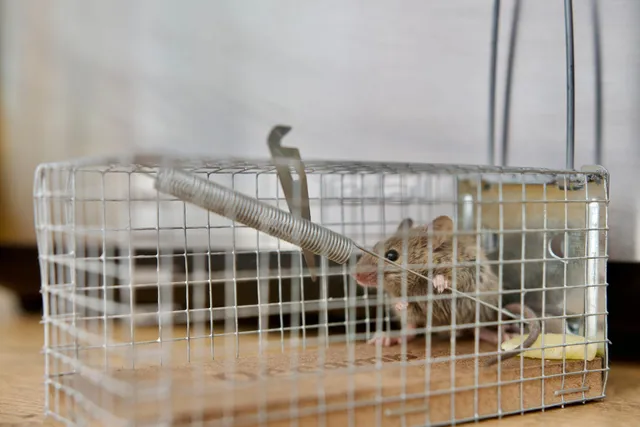
Mice in an attic can leave droppings, gnawing and nesting material, but those signs need to be assessed in context. Confirm current activity and entry routes before deciding on control and repairs. Cleanup depends on the affected material and extent; a mouse sighting does not automatically justify replacing every piece of insulation.
What an attic inspection should establish
| Question | Evidence to request |
|---|---|
| Which animal is present? | Sightings and several matching physical signs. |
| Is activity current? | Monitoring and assessment of the occupied route. |
| How is it entering? | A documented connection between inside signs and accessible openings. |
| Which materials are affected? | Photos and a description of waste, nesting or damage. |
| What work is necessary? | Separate control, exclusion, cleanup and repair scopes. |
The noise heard from a bedroom may not locate the nest. Avoid entering a dusty or occupied attic to confirm a guess. Describe the rooms below the activity and any safely observed exterior gaps. Ask which areas could not be accessed and how that limits the assessment.
Look beyond the attic hatch
An attic problem should prompt a review of connected building routes, not just the hole closest to the noise. The inspection may need to consider utility penetrations, roof edges and lower-level access. The appropriate repair depends on the actual opening and building material; a generic patch is not a complete exclusion plan.
If the sound appears to be inside a wall, the wall-activity guide helps you record it. If the animal has not been identified, mouse-versus-rat identification and squirrel-versus-rat attic clues explain why location or sound alone is insufficient.
When cleanup may be needed
Concerned about mice or contaminated material in the attic? Frontier Trapper can inspect the activity and explain which removal, exclusion and cleanup services fit the findings.
Explore Mice Removal ServicesDocument the affected area
Ask for an explanation of where waste or nesting material was found and whether insulation, stored goods or washable surfaces are affected. An estimate should connect the recommended cleanup to that evidence. Do not assume an odor identifies the animal or proves that the entire attic is contaminated.
Distinguish cleaning from replacement
Removing soiled material, cleaning accessible surfaces and restoring insulation are different tasks. The provider should explain why a material can be retained or needs removal. CDC cleanup guidance treats contaminated insulation differently from a washable hard surface; do not simply spray an attic and assume the affected material has been restored.
Plan the work in a useful order
- Confirm the animal, the affected spaces and the likely access route.
- Agree on a control and monitoring plan suitable for those spaces.
- Coordinate entry repairs with the control plan and confirm how continued activity will be checked.
- Assess and address affected material using a plan appropriate to the setting.
- Review any restoration work separately and keep the documentation for future inspection.
For a small household hard-surface deposit, consult mouse droppings cleanup; that checklist does not replace an attic plan. Frontier Trapper can discuss mice removal, exclusion repairs and attic remediation for an Overland Park property. Ask which of those services the observed condition actually calls for.
Decide what attic material actually needs attention
An attic may contain clean insulation, localized affected material and older evidence in different areas. Ask for photographs or another clear record showing where contamination, nesting or damage was found and how the proposed work boundary was chosen. A limited finding should not automatically become a whole-attic conclusion, while widespread evidence should not be reduced to one visible spot. The recommendation should connect the observed condition with a specific removal, cleaning or restoration task.
Keep removal, exclusion and restoration in order
Restoring material before active mice and their entry routes are addressed can lead to repeated damage. On the other hand, closing openings without considering animals still inside may create a new problem. Ask who is responsible for each stage, what confirms readiness for the next stage and how follow-up will be recorded. A coordinated sequence makes it easier to verify the result and prevents separate contractors from working from different assumptions about occupancy.