
Mouse droppings tend to be smaller than rat droppings, but squirrel and rat pellets can be difficult to distinguish. Size, shape and location can narrow the possibilities; they cannot reliably identify every sample. Do not touch, crush or collect droppings to test them. Treat an uncertain deposit as unidentified wildlife waste.
What a droppings comparison can and cannot tell you
| Possible source | Useful clues | Important limitation |
|---|---|---|
| Mouse | Small pellets near food, storage areas or a concealed route. | Young rats and other small animals complicate identification. |
| Rat | Larger pellets, possible gnawing or travel marks. | Shape varies and may overlap with other rodents. |
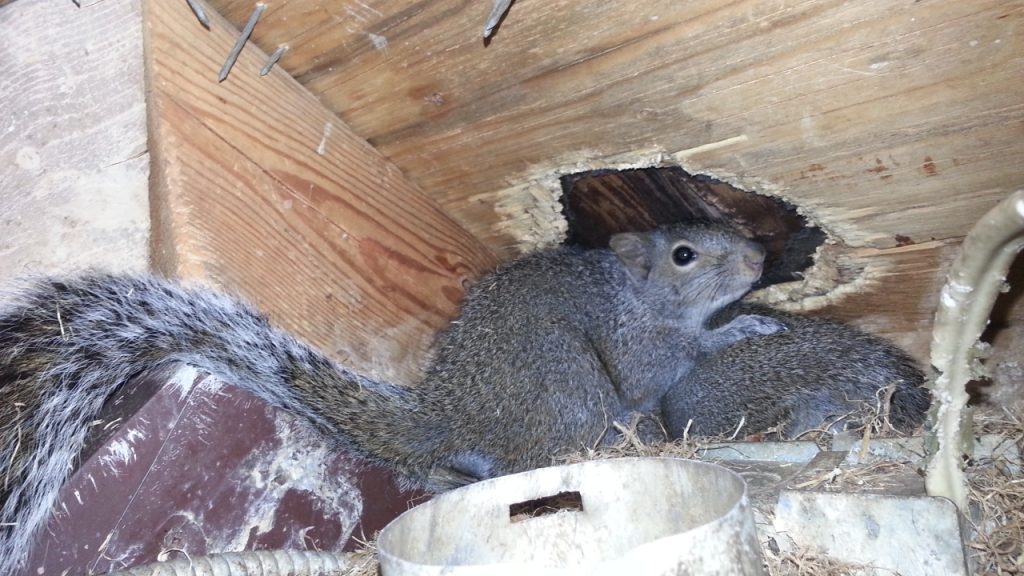
| Squirrel | Droppings near an occupied roof space plus independent evidence of a squirrel. | Droppings alone may resemble those of rats. |
| Unknown animal | A deposit with no clear sighting or matching evidence. | Do not select a treatment or cleanup method from a comparison chart alone. |
This guide deliberately avoids a millimeter-based identification key. Pellet measurements on an enlarged photograph can look precise without being reliable. Diet, moisture, breakage and the age of the deposit can affect appearance. Ask an inspector to consider the whole setting rather than choose an animal from one pellet.
Record the setting without disturbing the waste
- Keep children and pets away from the deposit. Avoid moving nearby boxes or nesting material.
- Photograph the location from a safe position if possible. Use an existing reference in the scene rather than placing a ruler next to the waste.
- Record where it was found: a cupboard, floor edge, attic beam or roof opening gives different context.
- Note independent evidence such as a clear animal sighting, a used opening or recent gnawing. Ask for identification before removal or cleanup is planned.
Different locations suggest different questions
Droppings alone may not identify the animal. Frontier Trapper can assess the affected area, look for entry points and recommend the appropriate squirrel or rodent service.
Explore Squirrel Removal ServicesPellets in a kitchen or storage area
Ask whether there is a small-rodent route behind appliances, cabinets or stored material. The mouse droppings guide covers a limited hard-surface cleanup situation and when to stop. Mouse-versus-rat identification is useful if a sighting is also available.
Pellets in an attic
An attic can contain signs from more than one visit or species. Do not assume every deposit belongs to the animal currently making noise. Read squirrel-versus-rat attic clues or mice in the attic and ask for the affected areas to be documented.
Choose cleanup after identification
CDC advises against dry sweeping or vacuuming rodent waste before appropriate disinfection. Follow its current cleanup guidance for the setting; a heavily affected attic or inaccessible void is different from a small deposit on a washable floor. If the deposit could be a raccoon latrine, use a separate assessment rather than applying an ordinary rodent-cleanup checklist.
For larger repeated deposits, the raccoon droppings guide explains that distinction. If squirrels are confirmed, discuss squirrel removal with Frontier Trapper and ask whether attic remediation needs to follow. Do not infer that all insulation needs replacement from a few visible pellets.
Map the affected area without disturbing it
The location and distribution of waste can be more useful than an isolated pellet. From a safe position, note whether deposits are concentrated near stored food, along a travel edge, beneath an entry point or across insulation. Photograph the overall setting without moving items or placing an object beside the waste for scale. This record helps an inspector connect the deposit with other evidence and define the cleanup area without relying on appearance alone.
Separate old evidence from continuing activity
Droppings may remain after an animal has left, so their presence does not automatically establish current occupancy. At the same time, a cleaned surface that receives new deposits can indicate continued access. Do not repeatedly clean a suspect area merely to test it if the setting is unsafe or contaminated. Ask how activity will be monitored and how entry points will be investigated, then coordinate cleanup with the control plan so new evidence is not erased before it can be evaluated.