

Snake Shed Skin in the Basement: What It's Actually Telling You
Most people who find a shed snake skin in a basement, crawl space, or attic reach the same reassuring conclusion: a snake got in at some point, and it is long gone. That is usually the wrong reading. A shed skin is one of the more informative pieces of evidence in wildlife work, and what it mostly indicates is that a snake lived in your home comfortably enough, and long enough, to grow.
Why Shedding Matters
Snakes shed because their skin does not grow with them. As a snake gains size, the outer layer becomes too tight and is replaced whole. The process takes a week or more from start to finish. In the days beforehand, the snake's eyes cloud over and its vision drops sharply, which makes it vulnerable — so snakes seek out a secure, undisturbed, appropriately humid place to wait it out, and they stay put.
That is the significance of finding a skin indoors. A snake passing through does not shed on your basement floor. A snake that shed inside your home had settled in, found the conditions suitable, and stayed through a vulnerable multi-day process without being disturbed. It chose your house as shelter.
What the Skin Tells You
A reasonably intact shed carries several pieces of useful information:
- Size. The shed is roughly the length of the snake, sometimes slightly longer because the skin stretches during removal. A four-foot skin means a substantial snake, not a small one.
- How recent. A fresh shed is supple and slightly moist. Older sheds become dry, brittle, and crumble easily. A pliable skin means recent activity.
- Whether it grew there. Growth requires food. A snake that stayed long enough to shed was almost certainly eating — which usually means rodents in the same space.
- Location patterns. Where the skin is found points to where the snake was traveling and harboring: along a foundation wall, near a sill plate, behind stored boxes, in insulation, or near a water heater or pipe chase.
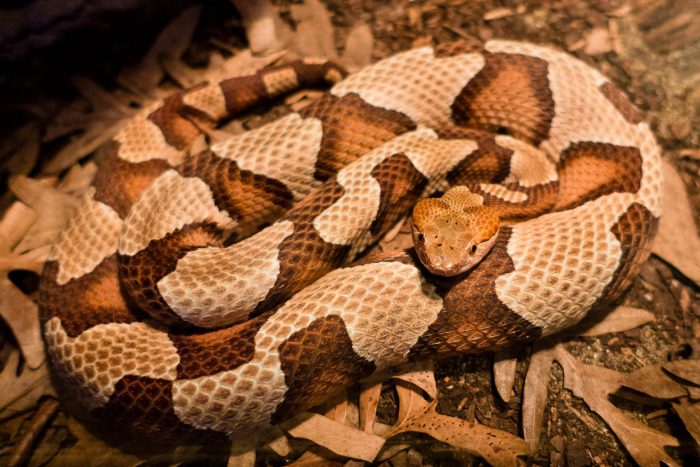
- Species clues. Scale patterns and, when preserved, head scale arrangement can help identify the species — including whether it was venomous. Worth photographing before disposal.
The Bigger Message: You Probably Have Rodents
This is the part worth acting on. Snakes go where the food is, and in an Overland Park basement, crawl space, or attic, the food is mice and rats. A snake that stayed long enough to grow and shed was being fed by something.
So a shed skin is frequently the first hard evidence of a rodent problem the homeowner had not yet noticed. Removing the snake without addressing the rodents leaves the attractant fully in place — and snakes follow that same food supply back in. It is common for a home with a recurring snake problem to actually have a persistent rodent problem underneath it.
And You Have an Entry Point
The second message is structural. Snakes do not chew or excavate — they can only use openings that already exist. A snake indoors means there is a gap somewhere it fit through, and snakes need remarkably little: a crack in the foundation, an unsealed utility or pipe penetration, an unscreened crawl space vent, a gap under a garage or exterior door, a broken basement window well, or a space where the siding meets the foundation.
Those same openings are how rodents got in, which is why the two problems travel together and why sealing is the durable fix for both.
Is the Snake Still There?
Often, yes — but not always. A skin alone does not confirm current occupancy. Look for corroborating evidence:
- A fresh, pliable skin rather than a dry, brittle one.
- More than one shed in the same area, indicating repeated use over time.
- Rodent activity — droppings, gnaw marks, nesting material — which means the food supply is still present.
- Snake droppings: dark, semi-solid with a chalky white portion of uric acid.
- Winding tracks through dust on a basement floor or in attic insulation.
- Sightings, or a distinct musky odor in a confined space.
A shed skin usually means a snake settled in — and something was feeding it. Our snake removal service locates the snake and addresses the rodents drawing it in.
Explore Snake Removal in Overland ParkWhat to Do
Photograph the skin before you handle or discard it — scale patterns can help identify the species, and that matters if it was venomous. Handle it with gloves and wash afterward; reptiles can carry Salmonella, and shed skins can retain bacteria.
Then treat the find as three linked problems rather than one. Have the space inspected for an active snake. Have the property checked for rodents, since that is almost certainly what drew and sustained it. And have the entry points identified and sealed, because without that step the same route stays open for whatever comes next.
Do not attempt to grab or corner a snake you do encounter — most bites happen during handling attempts, and in Johnson County copperheads are a real possibility. If you are unsure what species you are dealing with, our guide to venomous snakes in Kansas covers identification and safe distance.
Preventing the Next One
Snakes come for shelter and food, so remove both. Seal foundation cracks, utility penetrations, and gaps under doors; screen crawl space vents and repair window wells; clear brush piles, woodpiles, tall grass, and debris that provide cover near the house; store firewood off the ground and away from the structure; and address rodents thoroughly. Our snake prevention guide has the full property checklist.
Frontier Trapper handles all three parts of this — locating and removing the snake, addressing the rodent population that drew it, and sealing the entry points so it does not repeat. If you have found a shed skin in your Overland Park home, it is worth having someone look before the rest of the picture reveals itself on its own.