

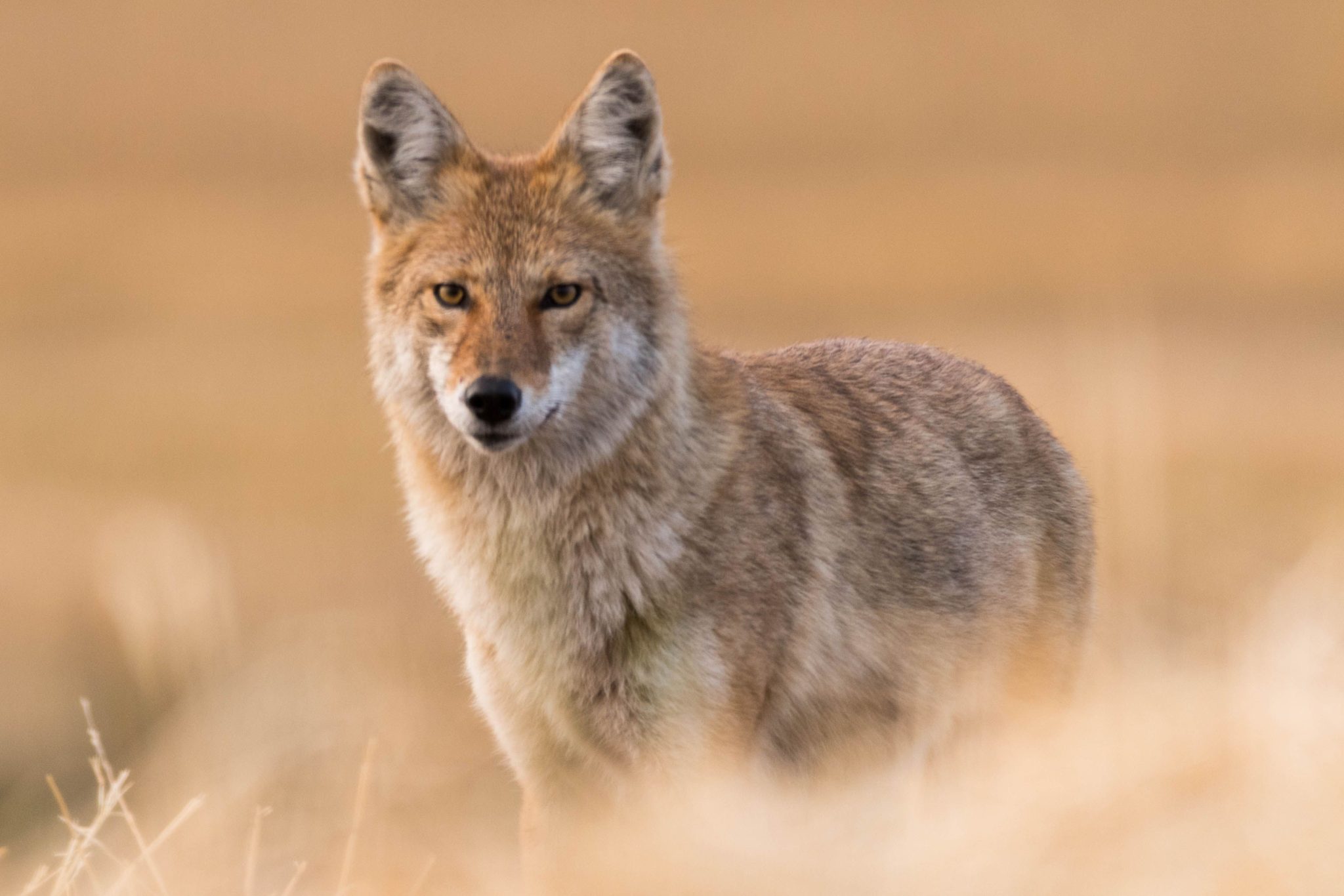
Coyote Hazing: How to Make a Coyote Fear People Again
When a coyote starts lingering in the yard or trotting down the street without concern, most people's first instinct is to ignore it and hope it moves on. That is exactly the wrong response. A coyote that is tolerated learns that people are harmless, and that lesson is how a wary wild animal becomes a bold neighborhood problem. Hazing is the tool that reverses it — and done consistently, it is one of the most effective ways to keep coyotes wild and keep your neighborhood safe.
What Hazing Is
Hazing means deliberately scaring a coyote to reinforce its natural fear of humans. It is not about hurting the animal — it is about teaching it, every single time it encounters a person, that people are large, loud, unpredictable, and best avoided. Coyotes are intelligent and adaptable, which cuts both ways: they quickly learn that a place is safe, but they also quickly relearn that people are a threat when the whole neighborhood responds consistently. Hazing works with that intelligence.
When Hazing Is the Right Tool
Hazing is the right response to a coyote that is becoming comfortable — lingering in yards, crossing paths with people without concern, or showing up on a routine. It is preventive and corrective: it stops habituation before it becomes dangerous and can push an already-bold coyote back toward wariness. It is not, however, the answer to every situation. Hazing is not appropriate for a coyote that appears sick or is behaving erratically (a possible rabies concern), and it should be done carefully around a den in spring when adults are protecting pups.
How to Haze a Coyote — Step by Step
- Stand your ground and get big. Do not run. Stand tall, raise your arms, open a jacket, and make yourself look as large as possible.
- Be loud. Shout firmly, clap, and use noisemakers — an air horn, a whistle, a can filled with coins, or banging pot lids all work well.
- Add motion and, if needed, more. Wave your arms, stomp, and step toward the coyote. A spray from a hose, a shaken bag, or tossing (not hitting) small objects like sticks or tennis balls near it reinforces the message.
- Keep going until it leaves. Haze until the coyote actually retreats. Stopping too soon teaches it to wait you out; persistence is what makes the lesson stick.
- Pick up pets and children first. Scoop up small pets and keep kids close before you begin, so your attention is fully on the coyote.
- Never corner it. Always leave the coyote a clear escape route — hazing is about driving it away, not trapping it.
Why Consistency Matters More Than Intensity
The secret to hazing is repetition across the whole neighborhood. One person hazing a coyote while three neighbors quietly tolerate it — or worse, one neighbor feeds it — sends a mixed message the coyote easily ignores. When everyone responds the same way every time, the coyote learns that the entire area is unwelcoming and shifts back to natural, people-avoiding behavior. Talk to your neighbors; coordinated hazing is dramatically more effective than one household acting alone.
Hazing Only Works If the Food Is Gone
Here is the piece people miss: you cannot haze away a food source. If a coyote is being rewarded with easy meals — pet food on the porch, unsecured garbage, fallen birdseed and fruit, compost — it has a powerful reason to tolerate a little harassment and keep coming back. Hazing and attractant removal go together. Feed pets indoors, secure garbage, clean up birdseed and fallen fruit, and never feed coyotes, intentionally or not. Remove the reward, then reinforce the fear, and the coyote has no reason to stay.
Hazing isn't working, or the coyote has stopped backing down? That's past the DIY stage. We assess the risk and remove genuinely problem animals humanely and legally.
Explore Coyote Control in Overland ParkWhen Hazing Isn't Enough
Hazing is powerful, but it has limits, and it is important to recognize them:
- A coyote that no longer responds. If a coyote stands its ground, keeps returning despite consistent hazing, or has become deeply food-conditioned, it has crossed past what hazing can fix.
- Active predation on pets. Once a coyote is killing pets, the situation calls for professional intervention, not just deterrence.
- Signs of illness. A coyote that is disoriented, unusually bold in daylight, or behaving erratically may be sick and should be reported, not hazed.
- A den with pups near the home. Denning adults are protective, and this situation is best assessed by a professional.
In those cases, the right move is a professional assessment. Frontier Trapper evaluates the animal's behavior and the risk, removes genuinely problem coyotes humanely and in compliance with Kansas wildlife regulations, and pairs that with the attractant removal and prevention that keep new coyotes from settling in. For more on recognizing when a coyote has become a genuine risk, see our guide on whether coyotes are dangerous.